
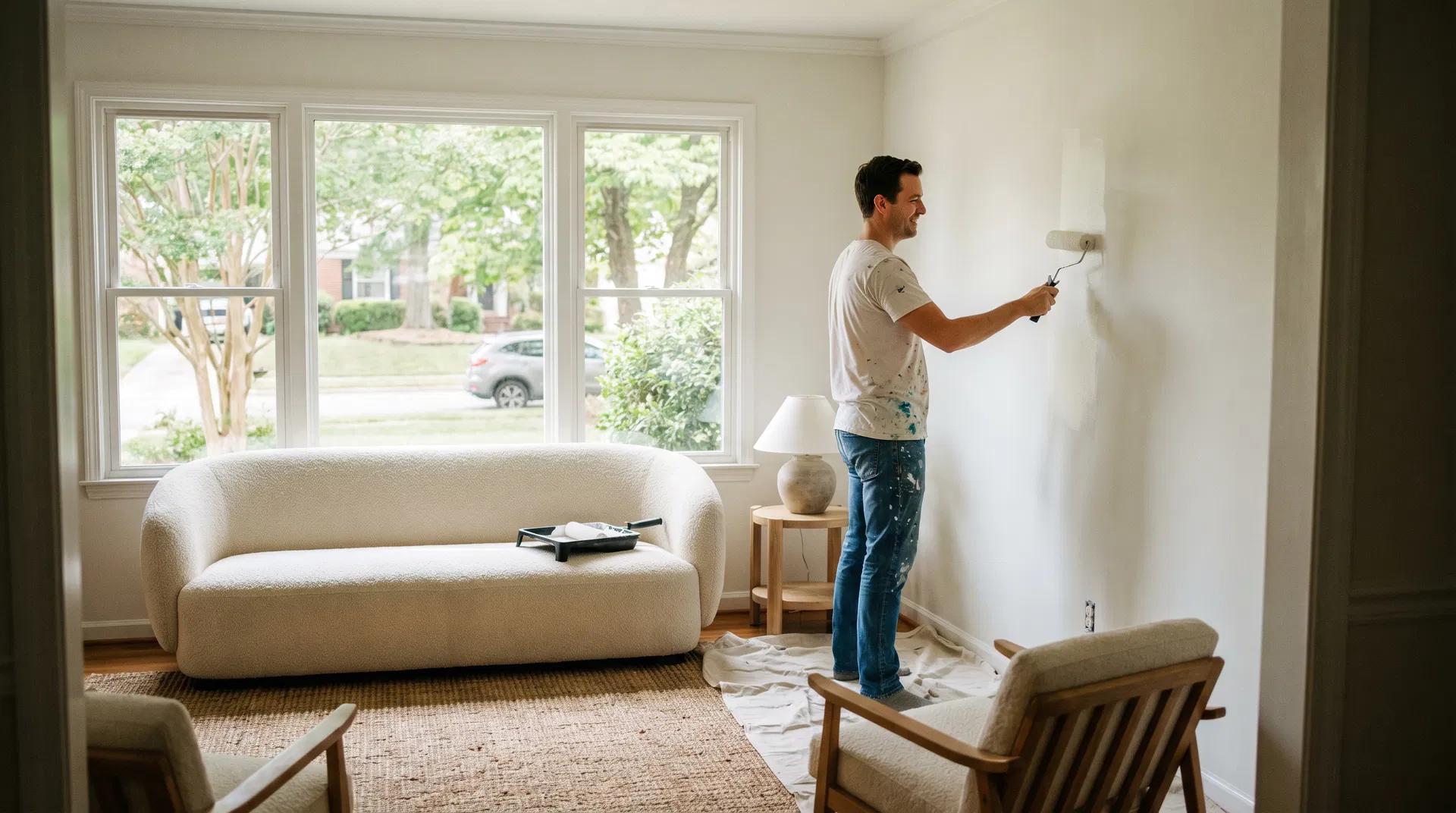
What Home Improvements Actually Return Your Money Before Selling in Charlotte?
Deciding which home improvements to make before listing is one of the highest-stakes choices a seller faces. Spend too much on the wrong projects and you erode your net proceeds. Spend too little and buyers notice immediately, often using visible deferred maintenance as leverage during negotiation. The goal is not to renovate your home. The goal is to maximize what buyers are willing to pay for it, relative to what you spend to get it there.
What the Data Says About ROI in the Charlotte Metro
Based on 2026 market data and insights from the National Association of Realtors Cost vs. Value Report, adjusted for Charlotte metro trends via Canopy MLS, certain improvements consistently yield stronger returns in this region. The top performers share a common trait: they are visible, relatively low cost, and address the first impressions buyers form within 30 seconds of walking through the door.
Here is how the most common pre-listing improvements stack up in the Charlotte area:
| Improvement | Typical Cost | Estimated ROI | Best Submarkets |
|---|---|---|---|
| Interior and exterior paint | $1,500 to $3,000 | 80 to 100% | All submarkets |
| Flooring (carpet to LVP or hardwood) | $3,000 to $6,000 | 70 to 90% | Huntersville, Fort Mill, Steele Creek |
| Landscaping and curb appeal | $1,000 to $2,000 | 70 to 100% | All submarkets |
| Lighting updates (modern fixtures, LED) | $500 to $1,500 | 60 to 80% | Uptown, SouthPark, Myers Park |
| Kitchen refresh (countertops, hardware, backsplash) | $5,000 to $10,000 | 60 to 80% | Steele Creek, Tega Cay, Ballantyne |
| Primary bathroom update (vanity, fixtures, tile) | $3,000 to $7,000 | 60 to 80% | All submarkets |
| Full kitchen gut renovation | $30,000 to $50,000 | Under 50% | Not recommended unless unusable |
| Structural upgrades (HVAC, roof) | $10,000 to $20,000 | 40 to 60% | Only if failing inspection |
| Over-improvements beyond price ceiling | Varies | Under 20% | Avoid in Rock Hill, parts of Fort Mill |
What Buyers in Charlotte Actually Notice First
Buyers form their impression of a home within the first 30 seconds of walking through the front door. That means the path from the front door to the living area is your highest-return investment zone. Fresh paint in a neutral palette, clean flooring, and modern lighting in that corridor do more to shape buyer perception than any renovation in a back bedroom or secondary bathroom.
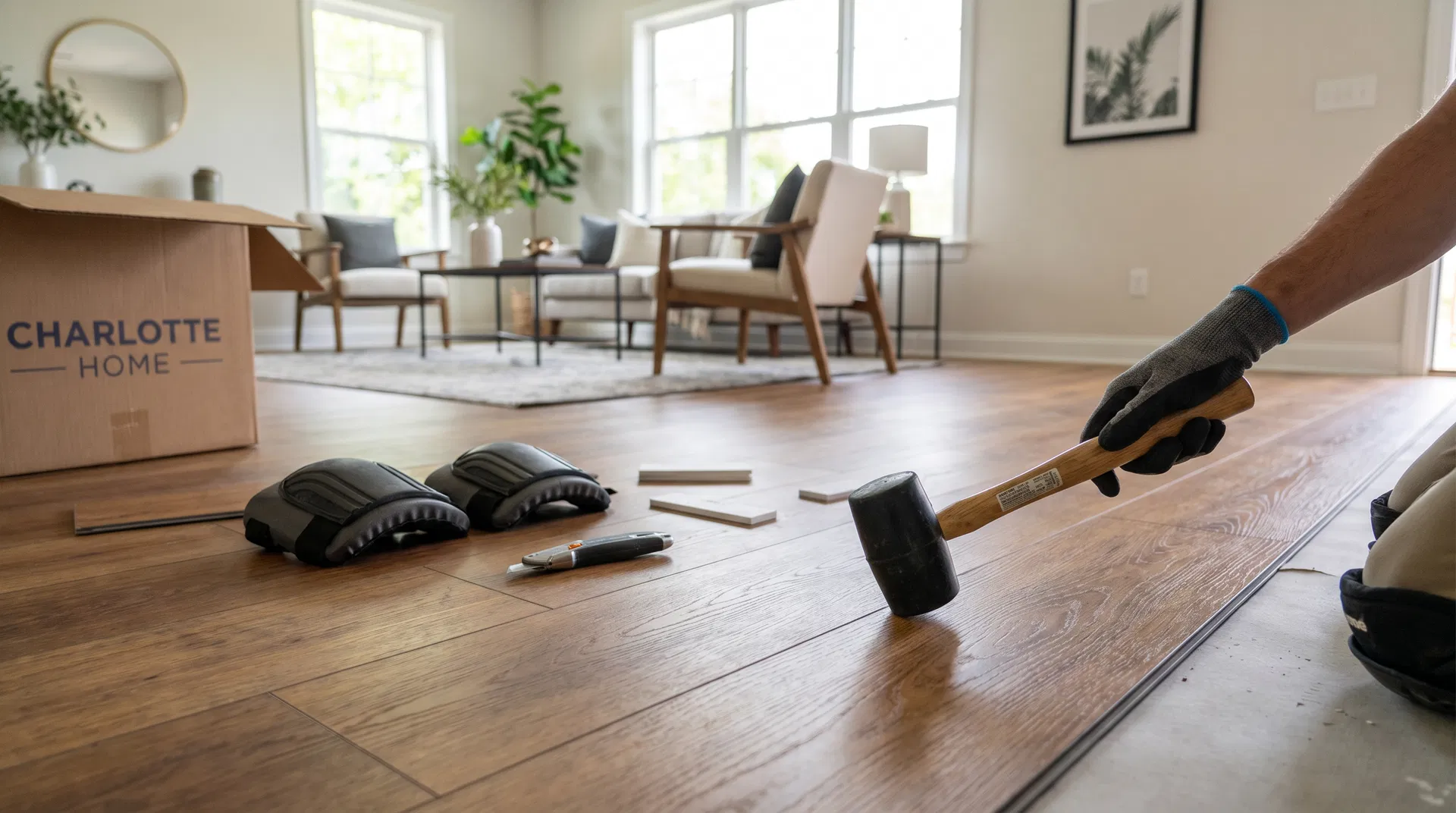
Paint is the single highest-return improvement available to most sellers. A fresh coat of interior paint in a neutral gray or white palette costs $1,500 to $3,000 for a 2,000 square foot home and consistently returns 80 to 100 percent of cost in perceived value. It also photographs better, which matters in a market where 90 percent of buyers begin their search online. Flooring follows closely. Replacing worn carpet with luxury vinyl plank or hardwood in the main living areas costs $3,000 to $6,000 and returns 70 to 90 percent, particularly in family-oriented submarkets like Huntersville, Fort Mill, and Steele Creek where buyers are prioritizing move-in-ready condition.
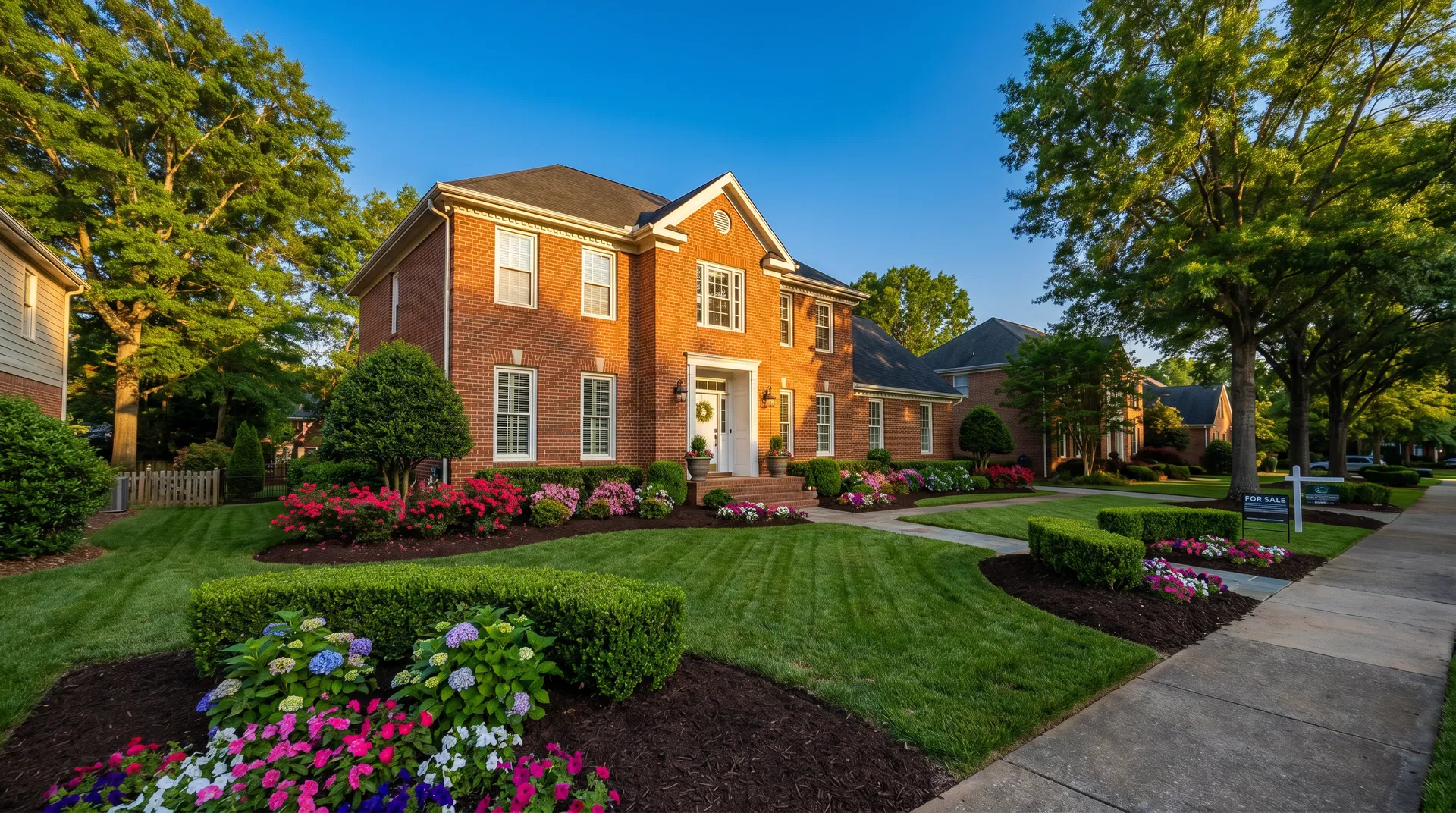
Landscaping is frequently underestimated. Freshly mulched beds, trimmed hedges, and basic seasonal planting cost $1,000 to $2,000 and consistently shave 5 to 10 days off days on market by drawing buyers in before they even step inside. In a market where the average DOM is 60 to 67 days, that is a meaningful advantage.
The Projects That Drain Your Budget Without Moving the Needle
Full kitchen gut renovations are the most common over-investment sellers make. Spending $30,000 to $50,000 on a complete kitchen remodel rarely returns more than 50 percent of cost in Charlotte's current market, unless the existing kitchen is genuinely unusable. Buyers in a balanced market will not pay a premium for a renovation they did not choose. A kitchen refresh, meaning new countertops, updated cabinet hardware, and a fresh backsplash for $5,000 to $10,000, delivers comparable buyer appeal at a fraction of the cost.
Highly personal finishes return under 30 percent. Bold wallpaper, custom built-ins, and distinctive tile choices narrow your buyer pool rather than expanding it. Structural upgrades like a new HVAC system or roof replacement return only 40 to 60 percent unless those systems are genuinely failing and will become a dealbreaker during inspection. If the systems are aging but functional, the more effective approach is to disclose their condition and price accordingly rather than spending $15,000 to $20,000 on a replacement that buyers will not pay a premium for.
Over-improvements are particularly costly in submarkets with lower price ceilings. Adding a $20,000 outdoor kitchen or a $15,000 home theater to a home in a neighborhood where comparable properties sell for $350,000 will not move your sale price above the neighborhood ceiling. Buyers in Rock Hill and parts of Fort Mill are not paying for extras that exceed what the surrounding comps support.
How to Allocate Your Pre-Listing Budget
The practical framework is straightforward. Start with a pre-listing walkthrough focused on the front door to living area path. Identify what buyers will see and judge in the first 30 seconds. Allocate 1 to 2 percent of your home's value toward high-return updates: paint, flooring, lighting, and landscaping. On a $400,000 home, that is $4,000 to $8,000 directed at the improvements with the strongest buyer impact.
For kitchens and bathrooms, choose refreshes over remodels. Spend $5,000 to $10,000 maximum unless the space is dated by more than 20 years or is genuinely dysfunctional. Check recent sold comps in your neighborhood before committing to any improvement to ensure you are not pushing your price above the area's ceiling. A $50,000 renovation in a $300,000 neighborhood will not pay off regardless of the quality of the work.
Local submarket context matters. Uptown Charlotte condo sellers should focus on modern finishes, lighting, and paint rather than structural fixes, as buyers there are prioritizing aesthetics and turnkey condition. Family-oriented submarkets like Huntersville's MacAulay neighborhood and Fort Mill's Baxter Village respond strongly to durable flooring and functional kitchen updates tied to school-driven demand. Document all improvements with before-and-after photos for your marketing materials and keep receipts to justify your pricing to buyers during negotiation.
My Recommendation
Investing in your home before selling is not a gamble when you focus on what buyers in the Charlotte metro actually value. The sellers who achieve the strongest outcomes are the ones who treat preparation as a pricing strategy, not an afterthought. They allocate their budget toward visible, high-return improvements, avoid over-investing in personal finishes or structural upgrades that do not show in photos, and complete all work 2 to 4 weeks before listing so the home shows at its peak condition.
If you are deciding which improvements will return the most for your specific property, this is exactly the kind of analysis I help sellers navigate. The right pre-listing plan depends on your submarket, your home's condition relative to current comps, and what buyers in your price range are actually responding to. Let's build a tailored plan when you're ready.
Stay Ahead of the Charlotte Market
Weekly insights on pricing trends, new listings, and what's moving in NC & SC — delivered straight to your inbox.
Seller's Guide Series
Continue the Series

How to Price Your Home in Charlotte's 2026 Market
Pricing a home in Charlotte's 2026 market isn't about what you paid, what you need, or what your neighbor listed for. It's about what buyers are actually paying — right now, in your submarket. Here's how to get it right from day one.
Read Article
How Long Will It Take to Sell My Home — and What's the Best Month to List in Charlotte?
Timing your sale in Charlotte's metro isn't about picking a magic month — it's about knowing your submarket's days on market, pricing within 2–3% of comps, and getting your home ready before you list. Here's the data by area.
Read Article