
York County · SC
Fort Mill
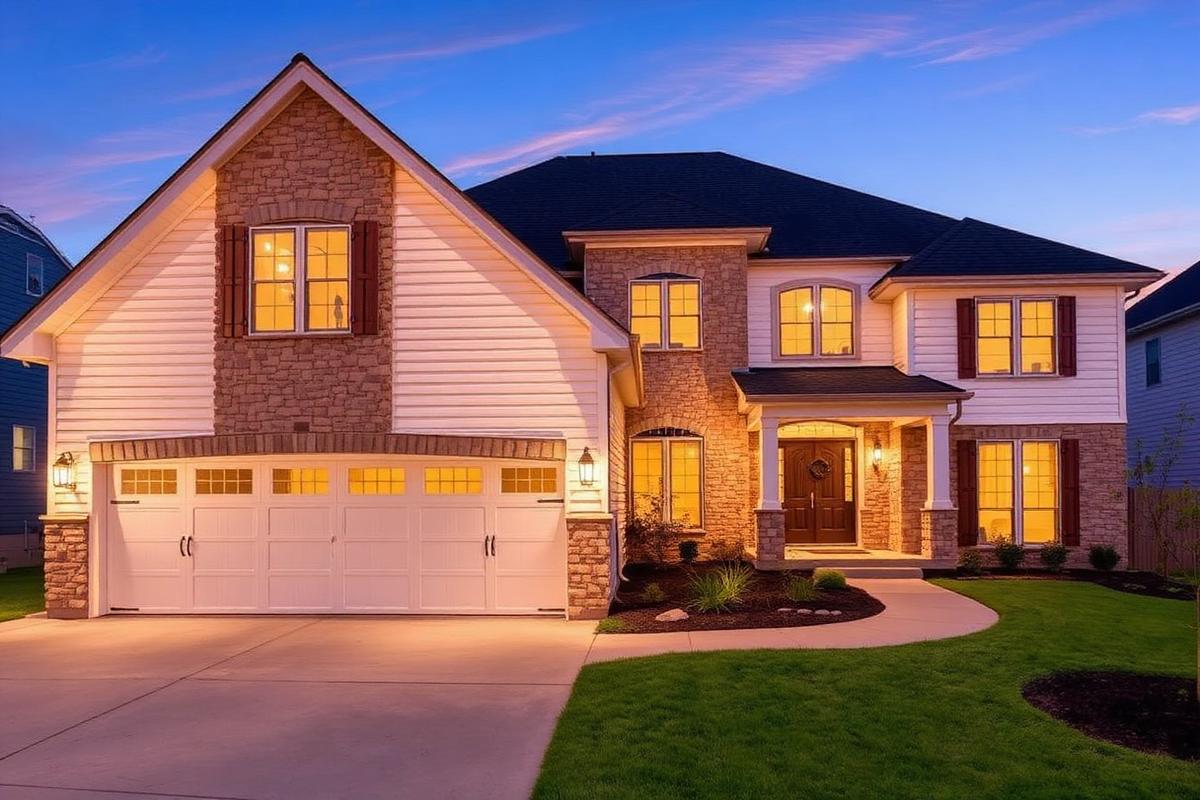
The default answer for suburban South Carolina, and the one worth pressure-testing.
- New construction
- South Carolina
- More space
Know where you should live. Know what your home is worth. Then make the move with a plan.
NC + SC licensed brokerAttorney-trained analysisResearch-first, no-pressure approach
On the market now
Live from the MLS, across every brokerage. Select any home for photos and details, or ask about the address-level facts listings get wrong.
Free listing alerts
Tell us where and roughly what you are looking for. You get matches as they reach the MLS, chosen by a person, not a nightly dump of everything in a price range.
Start where you are
Pick the one that fits. Each gives you something useful right away, free and with no obligation.
Moving to Charlotte
Which state, which corridor, what the tax bill really becomes and which commutes break at 7:45 a.m., in one free guide, before you spend a weekend driving the wrong suburbs.
Get the free Charlotte guide
Buying
Due diligence fees, attorney closings, builder contracts and incentives that move while base prices do not. You get a strategy for the offer and a legal-trained read of every term before you sign.
See how buying works with Sir AshleySelling
Not an automated estimate. A valuation prepared by a person, with the comparable sales attached, the preparation that pays for itself, and a straight answer on what the market will support.
Get my home valueClient reviews
“Sir Ashley did an amazing job helping me to sell my home and help me to find a place to rent. I had a lot of questions and concerns and he was very knowledgable in answering my questions. He made sure that I new what was going on at all time. He is very reliable and I respected his input.”
“Sir Ashley is a wonderful realtor. Knowledgeable of North Carolina, goes above and beyond of his clients, follows thru with all promises, fast to response, skills a 100 percent had no issues. We were moving out of state and done with our house in North Carolina. …”
“Ashley was very professional and compassionate. Due to a serious health issue,I express my need to sell my home in a timely manner. He provided great service in keeping me and my daughter informed of process of sale and met our deadline. …”
Charlotte Area Matchmaker
Tell it your commute, your budget and what matters most. It scores every area against a published profile and shows you why each match ranked where it did, including the trade-off you would be accepting. Free, instant, and your results appear before any form does.
Your shortlist appears before any form does. The email is only so you have the detail later.
The state-line decision
It is the single most consequential choice in a Charlotte-area move, and the one most people make by accident, because the houses look the same on both sides of the line.
Direct answer
Neither side is universally better; the right answer depends on where you work, how you will be taxed, and which school district serves the specific address. South Carolina generally treats owner-occupied primary residences more favourably on property tax and does not tax retirement income as broadly. North Carolina offers a flat individual income tax, no separate annual vehicle property tax bill of the South Carolina kind, and the employment density of Charlotte itself. Most buyers who compare properly decide on commute and school assignment, then let the tax difference be the tiebreaker rather than the driver.
Area intelligence
Thirteen areas across both states, each with what it suits, what it costs you in trade-offs, and the sources behind every figure. Filter by what you are actually looking for.
Filter
13 areas covered
York County · SC
The default answer for suburban South Carolina, and the one worth pressure-testing.
York County · SC
A peninsula city on Lake Wylie, contained by geography rather than planning.
Lancaster County · SC
Lancaster County’s panhandle, often more house per dollar, on a single corridor.
York County · SC
Water frontage without the peninsula constraint, and without the convenience.
Mecklenburg County · NC
A corporate campus that grew a neighborhood around it.
Mecklenburg County · NC
Charlotte’s original edge city, actively rebuilding itself.
Budget reality
The same number buys a different life depending on which corridor you choose. Pick a range to see what it reaches, and what it costs you.
Choose a range
At $600,000 most of Greater Charlotte becomes available in some form, and the decision shifts from what you can reach to what you want to optimise for. The budget generally reaches mainstream new construction in Fort Mill, Indian Land, Waxhaw and Mooresville; established resale housing in Huntersville, Cornelius, Matthews and parts of south Charlotte; and townhome or smaller-footprint options in the close-in walkable areas. Waterfront and the most established close-in neighborhoods remain out of reach.
Where it goes furthest
Mainstream new construction and established resale housing in a well-regarded district: the most common landing point for relocating households at this level.
Larger lots and more land than comparable budgets reach closer in, with the Providence Road corridor as the constraint. Verify the school assignment by address.
A broad range of established resale housing and some newer construction, with Lake Norman access nearby but generally not on the water.
Reaches part of the market in a walkable town with strong identity, though the most established walkable streets carry a premium above this level.
What a budget reaches changes with inventory and rates. This page describes the shape of the market at each level rather than quoting figures that would date. For current inventory in a specific area, ask; I will send what is actually available this week.
The advisory advantage
Anyone can send you a list of houses. What changes an outcome is knowing which questions to ask before you are contractually committed to the answer.
Legal Perspective. A non-practicing attorney's eye for contracts, risk, and negotiation.
Strategic Leadership. A broker & team leader who leads and trains agents on negotiation, market strategy, and client advocacy.
Educator & Advocate. Translating complex market dynamics into clear, practical guidance.
“Real estate decisions require more than market knowledge; they require judgment, perspective, and an understanding of what's truly at stake.”

Buying
North Carolina runs on a due diligence fee and a due diligence period. South Carolina runs on a different set of forms and closes with an attorney. Builders write their own contracts and their incentives move while their base price does not. Knowing which of those matters for your purchase is the difference.
Selling
Automated estimates guess from public records. You get the comparable sales, the reasoning, the preparation that returns its cost, and a straight answer about what the market will actually support, free and with no obligation to list.
Coming from somewhere specific
The same house means something different depending on what you are leaving. These pages start from your baseline, not from ours.
Moving from New York, NY
You are used to choosing a neighborhood by walkability and transit access. Here, you choose by corridor and commute. That single reframing does more work than any other piece of advice on this page.
Moving from Washington, DC
You already think in terms of "which suburb, on which corridor, at what commute cost". That framework transfers directly. What changes is that the answer is a road rather than a rail line.
Moving from California, CA
You are likely arriving with more housing budget than the market expects, which is an advantage, and a risk, because it makes it easy to buy a larger house on a worse corridor than you would have accepted at home.
Free guides
Taxes, schools, commutes, new construction and the state line: every figure sourced, so you can make the call with confidence.
Cost of Living
A practical framework for comparing your current cost of living to Greater Charlotte, including the line items relocating buyers routinely forget.
Cost of Living
How assessment, millage and exemptions actually produce your bill in Mecklenburg, Union, Iredell, Cabarrus, York and Lancaster counties, and how the two states differ.
Relocation
The corridors that decide daily life in Greater Charlotte, why map estimates mislead, and the test to run before you choose a subdivision.
Free strategy call
Which side of the line, which corridor, what to offer, what your home will sell for. Bring the question; leave with a plan. No pressure and no drip sequence.
Or call or text (704) 746-3566.